

Supreme court
Supreme Court Daily Round-Up : February 5, 2026
Links to today's reports :Arrest Exception, Not Rule For Offences Punishable Up To 7 Yrs; S.35(3) BNSS Notice Mandatory In Such Cases : Supreme CourtSupreme Court Orders Inquiry Against 6 Gujarat Ayurved Colleges For Admitting Students Who Didn't Qualify NEET'No Mechanical FIRs For Harsh Political Posts' : Supreme Court Upholds Telangana HC Guidelines For Cases Over Social Media PostsJamiat...
Supreme Court Approves BCI's Nomination Fee, Asks HCs Not To Interfere With State Bar Council Elections On Fee Challenge
The Supreme Court on Thursday approved the nomination fee of Rs 1.25 lakhs fixed by the Bar Council of India for contesting elections to the State Bar Councils.A bench comprising Chief Justice of India Surya Kant and Justice Joymalya Bagchi also directed that no High Court should interfere with the ongoing Bar Council Elections on account of any challenge to the prescription of the election...
Properties Acquired By 'Karta' Presumed To Be Joint Hindu Family Assets Unless Contrary Proved: Supreme Court
The Supreme Court on Thursday (February 5) observed that once the existence of an ancestral, income-yielding property is established, any subsequent acquisition made by the Karta during the subsistence of a joint Hindu family is presumed to be joint family property, unless the person claiming self-acquisition discharges the burden of proof with cogent evidence. “Where acquisitions are...

UPSC Can Initiate Contempt Proceedings Against States Failing To Give Timely Proposals For DGP Appointments: Supreme Court
The Supreme Court on Thursday emphasised that State Governments should not delay sending proposals to the Union Public Service Commission for the appointment of Director General of Police.Disapproving of the trend of appointment of 'Acting DGPs' in some states, the Court authorised the UPSC to send reminders to the States for sending proposals for DGP appointments. If there is a default by...
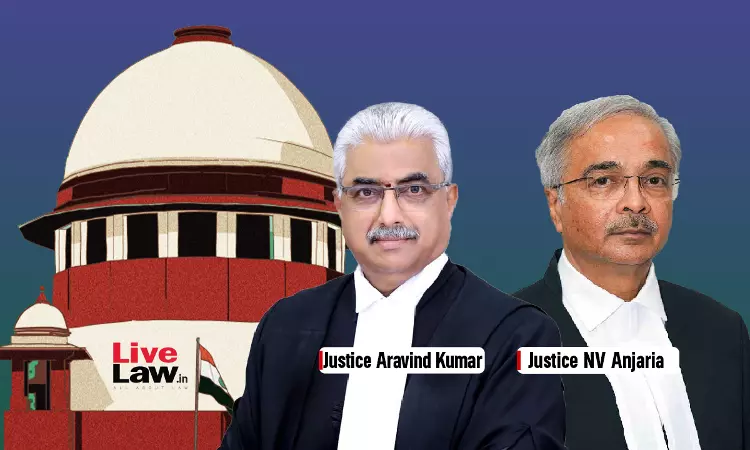
High Court Cannot Reject Plaint Under Article 227 : Supreme Court
The Supreme Court has ruled that the High Court cannot reject a plaint in exercise of its supervisory jurisdiction under Article 227 of the Constitution. “…once the specific provision under Order VII Rule 11 of the CPC, is available, the High Court cannot exercise powers under Article 227 to reject or strike off the plaint.”, observed a bench of Justices Aravind Kumar and NV Anjaria....
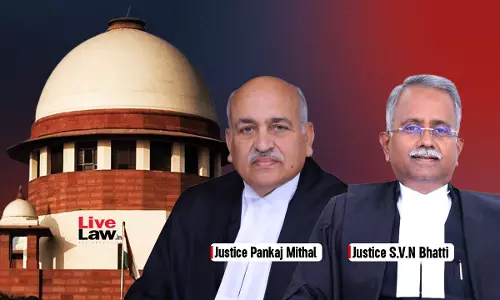
Welfare Of Child Paramount But Not Sole Consideration In Custody Disputes: Supreme Court
Emphasising that child custody decisions cannot rest on welfare alone, the Supreme Court held that courts must also take into account a range of other relevant factors, including the conduct of parents, their financial capacity, standard of living, and the comfort and education of the children.Setting aside a Jammu and Kashmir High Court judgment that restored the custody of two minor children...
Supreme Court Annual Digest 2025: Motor Vehicles Act
Motor Vehicles Act, 1988 - Supreme Court Annual Digest 2025 Appellant, a 20-year-old student, suffered amputation of his left leg in a motor accident - Accident occurred when a car ahead suddenly applied brakes, causing appellant to collide with it and subsequently being run over by a bus - MACT awarded Rs. 91 lakhs initially, which was reduced to Rs. 73 lakhs due to 20%...